

If you’ve ever thought about launching your own online business, it’s probably because you’ve heard some pretty appealing stories about flexibility, extra income, or even full-on freedom to do what you love. Personally, I’ve seen both the highs and lows that come with online entrepreneurship. There’s a lot of potential, but there are also challenges you don’t always see from the outside. Figuring out whether starting an online business is worth it really depends on what you’re looking for, your goals, and how much effort you’re willing to put in from the start.

Why People Are Drawn to Online Businesses
The rise of online businesses is no fluke. In just the last decade, digital commerce has grown from something only a handful of people tried into a booming field that just about anyone with an internet connection can jump into. The global ecommerce market alone is estimated to hit over $7 trillion by 2025, according to Statista. With low startup costs compared to traditional brick and mortar businesses, the online route pulls in side hustlers, parents, students, and those looking for a career change.
There’s also something liberating about the idea of working from anywhere. I remember talking to someone who moved their entire family to another city, all because their online store didn’t tie them to a particular place. Freedom like that is pretty hard to find with most regular jobs.
What Types of Online Businesses Are There?
One of the coolest things about starting an online business is just how many directions you can go. From selling products (think: physical goods, print on demand, dropshipping) to offering services (like freelance writing, graphic design, or virtual assisting), or even creating digital products (such as ebooks or courses), there are lots of options. There’s also affiliate marketing, blogging, podcasting, online coaching, and more. I’ve tried a few of these myself, and each one comes with its own mix of benefits and headaches.
- Physical Product Stores: Sell actual goods you ship out yourself or through a fulfillment center.
- Digital Product Shops: Offer downloadable items like templates, music, or online courses.
- Service Based Businesses: Connect with clients for things like web design, copywriting, or consulting.
- Affiliate Marketing: Earn a commission by promoting other people’s products through your website or social media.
This kind of variety means your experience with starting an online business can look totally different from someone else’s. It’s really about finding a path that matches your skills, interests, and what you’re comfortable putting on the line.
Pros of Starting an Online Business
Online businesses come with plenty of perks. Here are a few reasons people decide it’s worth a shot:
- Low Startup Costs: You don’t need fancy offices or tons of inventory to get rolling. Often just a computer and internet connection will do.
- Flexible Schedule: Most online business owners I know love that they can set their own hours, which is really handy for fitting work around life, especially if you’re balancing family or other commitments.
- Wide Reach: Selling online gives you access to a global market. I’ve had customers from places I never would have imagined reaching if I was only operating locally.
- Scalability: Digital products and services let you serve unlimited customers without dealing with the challenges of physical expansion.
- Diversification of Income: Many people use online businesses as side hustles, helping them supplement their main income streams.
For a lot of folks, these benefits make up for the hassle of getting up and running or the possibility that things might not go perfectly the first time.
What Should You Keep in Mind Before Getting Started?
Plenty of people see the potential, but not everyone considers the hurdles that come with running an online business. Here’s what I feel is really important to think about before getting into it:
- The Competition Is Real: The low barrier to entry means there are loads of people doing similar things. Standing out isn’t impossible, but you’ll need a clear plan, some branding knowhow, and a unique spin.
- Technical and Marketing Skills Are Important: Even with nocode platforms, you’ll still need to learn about things like website building, SEO, and using social media or paid ads to get the word out. I picked up lots of this by just rolling up my sleeves and trying things out, but it takes time.
- Income Isn’t Instant: While some entrepreneurs earn fast, it’s more common for income to trickle in slowly. You might need to work for a few months (or longer) before your business really takes off.
- Consistency and SelfDiscipline: Being your own boss is awesome, but it also means all the responsibility is on your shoulders. Staying motivated when things get slow can be a challenge.
- Legal and Tax Stuff: Even small online businesses need to consider things like local business laws, online business licenses, taxes, and compliance (like GDPR if you’re dealing with European customers). Not the most exciting part of the job, but super important to avoid headaches down the road.
Competition: How to Set Yourself Apart
A huge part of being successful online is figuring out how to offer something just a little different or better than everyone else. That could be a unique product, better customer service, or a more enjoyable shopping experience. I’ve found that listening to customer feedback, building a memorable brand, and focusing on one niche at a time can really make a difference.
Learning Curve and Building Skills
There’s a lot of DIY in online business, especially at the beginning. Whether it’s designing a logo, troubleshooting tech issues, or learning how to get your website to show up on Google, a willingness to learn is super important. I spent a lot of late nights figuring out things I never thought I’d need to know, but after a while, it becomes part of your routine.
Popular Online Business Models (With Pros and Cons)
- eCommerce (Your Own Website or Marketplace): Full control over your website and branding, but marketing and logistics land on your plate. Third party marketplaces (like Etsy or Amazon) give you instant traffic but take a chunky fee and set their own rules.
- Dropshipping: No need to keep inventory, but margins are pretty slim and competition can be fierce.
- Content Creation (Blogging, YouTube): Huge upside for those who like sharing knowledge, but monetization takes time and regular, consistent effort.
- Freelance Services: Get started quickly and set your own rates, but you’re trading time for money, which caps how much you can earn unless you scale up with a team.
- Affiliate Marketing: Low risk; you just promote other people’s products. But building trust and authority (and ranking high on search engines) is a slow burn.
The Realities: Common Challenges of Online Entrepreneurship
As much freedom as there is in running an online business, there are bumps in the road that aren’t talked about enough. I’ve hit a few snags myself, and here are some things you’ll want to be aware of:
- Unpredictable Income: Some months are great, others can be slow. Having a plan to get through lean times (like savings or a backup gig) helps.
- Isolation: Working online can get lonely. Finding a community, whether it’s in Facebook groups, Slack channels, or coworking spaces, can make a huge difference for staying motivated.
- Staying Organized: Managing customer service, marketing, accounting, and technical maintenance all at once is a lot. Good project management tools and making a daily to do list help keep things moving smoothly.
- Keeping Up With Changes: Online platforms, social trends, and algorithms change constantly. Even successful business owners need to spend time learning and adapting to stay relevant.
Useful Tips for Aspiring Online Entrepreneurs
Getting started the right way makes things a lot easier. Here’s what has helped me and others:
- Start Small: It’s tempting to go all in, but testing your idea with a minimum viable product (MVP) saves money and helps you learn quickly.
- Validate Your Idea: Make sure there are people interested in your product or service before investing too much. Simple surveys or running a small ad campaign helps figure this out early on.
- Invest in Learning: Spend time building your skills in SEO, basic web design, and marketing. There are tons of free and affordable resources out there.
- Don’t Fear Mistakes: Every successful entrepreneur I know has made mistakes. Learn from them and keep moving.
- Take Care of Your Health: Long hours at a computer can catch up with you, so stretch, step outside, and make time for breaks.
Frequently Asked Questions
Do I need a lot of money to start an online business?
Not really; most online businesses can be started with a pretty modest budget. For example, getting a domain and some basic website hosting can cost less than a nice dinner out. If you’re offering services, your biggest investment will likely be your time.
How long does it take to see results?
It depends on your business type, marketing efforts, and experience. For most people, it takes a few months to get steady income going, but some see traction sooner. Patience and persistence definitely help.
Do I need special qualifications or a business degree?
No formal credentials are needed. Plenty of self taught business owners have built successful online ventures. That said, courses and mentorship can give you an edge.
What if I fail? Is it possible to recover?
Absolutely. Failure is common, especially for first time business owners. What matters most is learning from those early stumbles and being willing to try again.
Is Starting an Online Business Worth It?
Deciding if starting an online business is worth it really depends on your expectations, goals, and willingness to stick with it through the rough patches. The chance to build something on your own terms, experiment, and enjoy true flexibility is pretty appealing. But those rewards come with steady effort, a willingness to learn, and a bit of patience. If you’re up for the challenge, the ride can be really rewarding. Even if your first business doesn’t go exactly to plan, the experience you gain is pretty hard to match elsewhere.
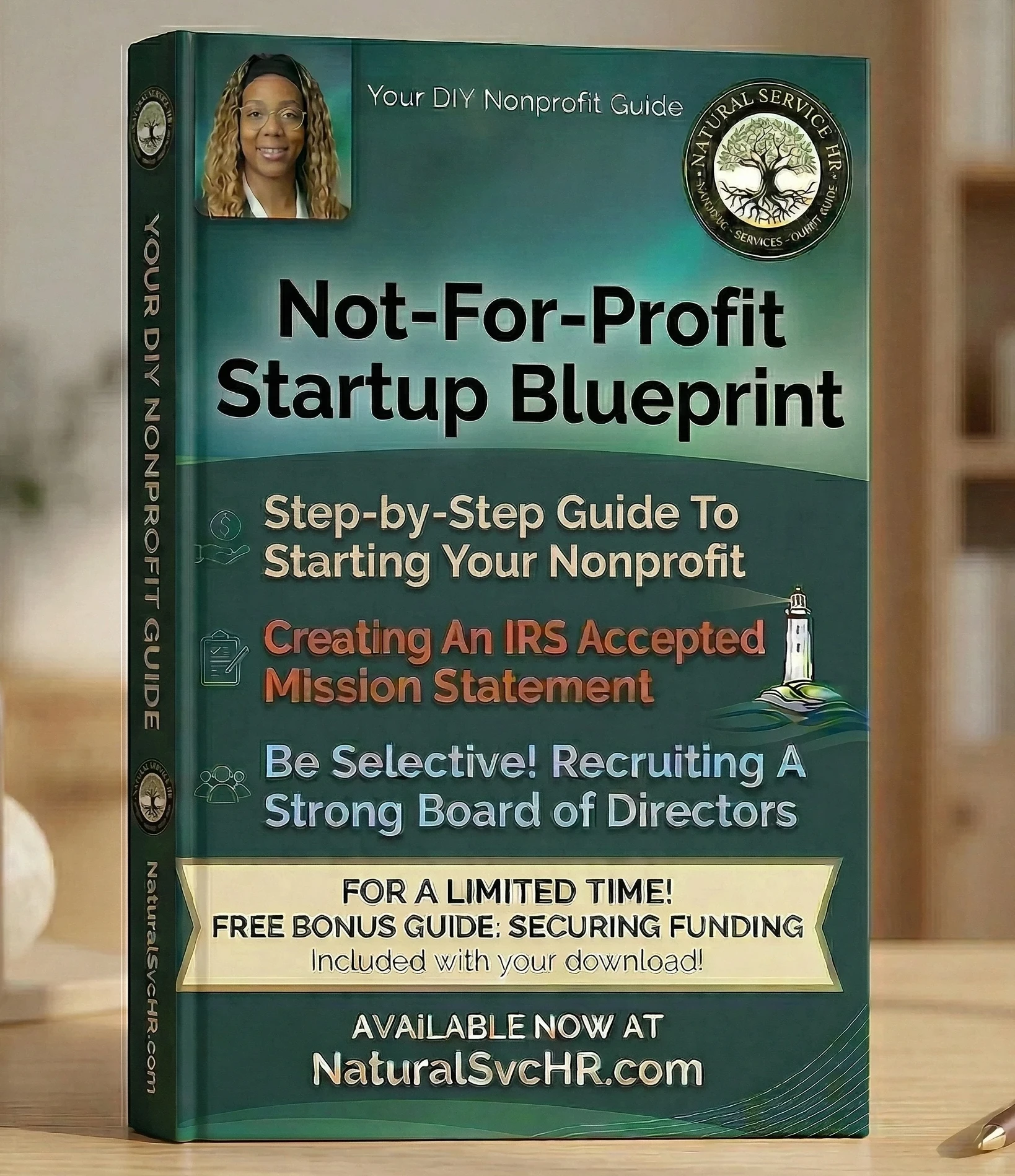
Feel free to contact Natural Svc HR for help in starting your online business ore for help with starting your nonprofit!
#NaturalSvcHR
Leave a Reply