

 Advancing my career in human resources often means keeping my skills fresh and recognized in a competitive job market. Earning a professional certification is a proven way for me to boost my knowledge, grow my credibility, and open new doors. If I’m aiming for a promotion, a career switch within HR, or want to add value in my current job, getting a certification can make a real impact.
With so many options and specializations available, choosing and earning an HR certification can feel overwhelming at first. When I went through the process myself, breaking things down into actionable steps made it easier to plan and succeed. Here’s my step-by-step approach to upgrading my HR career by adding a certification to my achievements.
1. Decide Why I Want an HR Certification
Before jumping into study guides and applications, I spend time thinking about my real motivation for earning a certification. Some reasons I might pursue one include preparing for a management role, specializing in recruitment or compliance, qualifying for a salary increase, or just getting formal recognition for skills I already use.
I find it helps to write down my goals and reflect on the areas of HR that interest me most. This gets me focused on the right certification path for my personal career growth. Sometimes, talking with a mentor or trusted colleague can shed additional light on my motivations, or give examples from their own HR adventure.
Questions I Ask Myself:
- Am I looking to specialize in payroll, benefits, talent acquisition, or employee relations?
- Am I hoping to qualify for leadership roles like HR manager or director?
- Does my organization or region require certain certifications?
- Is employer sponsorship or support available?
2. Research Popular HR Certifications
After setting my goals, I get into the available certification options. The industry offers several respected credentials that cover different career stages and specialties. I take time to review eligibility criteria for each, since they often have work experience or degree requirements. Thorough research gives me a sense of what fits my background and where I stand.
Top HR Certification Choices:
- SHRM-CP/SHRM-SCP: Offered by the Society for Human Resource Management, these are widely recognized for showing HR expertise and leadership skills.
- PHR/SPHR: From HRCI (HR Certification Institute), the Professional in Human Resources (PHR) and Senior Professional in Human Resources (SPHR) target technical and strategic HR roles.
- aPHR: The Associate Professional in Human Resources is for those newer to HR and offers a starting point for growth.
- Specialty Certifications: Like the Certified Compensation Professional (CCP) or Talent Acquisition Specialty Credential for more specific career tracks, perfect if I want to focus on a niche area in HR.
I compare certifications by checking pass rates, recertification requirements, global acceptance, and cost. Forums like SHRM Connect, LinkedIn HR groups, and reviews from current certificate holders give me a clearer idea of what to expect. The SHRM and HRCI sites also provide updated lists and details for each certification. Asking around at local HR meetups or virtual coffee chats can also provide real-world insights on which ones are most respected in different industries. #NaturalSvcHR
3. Select the Best Certification for My Situation
Once I have a shortlist, I match each certification’s benefits to my personal career roadmap. If I’m just starting out, the aPHR or SHRMCP is usually a solid fit. If I have several years of experience and want leadership opportunities, I look at the SPHR or SHRMSCP.
For targeted expertise, I consider specialty credentials. Talking with HR leaders at my company or local professional associations can uncover which certifications are most valued where I work. I’ve also noticed that job postings often mention which certifications are preferred, so I look for patterns there. Sometimes, taking an informal poll among professionals in my network gives me a sense of what’s currently making a difference in hiring and advancement.
Reading success stories from others who have made similar choices gives me confidence in narrowing down my options. Whether I want to focus on compliance, benefits administration, or talent development, finding that best match is key for future opportunities.
4. Plan My Study and Application Process
Every certification has its own application steps and preparation needs. I read the handbook for my chosen credential thoroughly before I start the process, making sure I know all the requirements ahead of time. Many require transcripts, proof of work history, and sometimes supervisor validation documents.
Once my application is accepted, I schedule my exam date to allow myself enough time for study. Personally, I make a simple weekly study schedule that breaks the material into easytohandle topics. If I need structure, many providers like SHRM and HRCI have official prep courses, webinars, or practice exams. Group study or online communities also keep me motivated and offer accountability partners.
Key Study Tips:
- Create realistic study goals; try 30 minutes each day, rather than cramming everything into one weekend.
- Use flashcards, notetaking, and practice tests to reinforce what I learn.
- Mix up textbooks with real life case studies to keep things interesting and bring abstract topics to life.
- Give myself small rewards for milestones, such as completing a module or doing well on a practice quiz.
5. Take the Exam and Celebrate Success
Exam day can be a little stressful, but going in prepared helps a lot. I make sure I know the rules, location (or online proctoring details), and how much time to allow. If I have test anxiety, mindfulness exercises or a quick workout before the exam help me settle my nerves.
After passing, I celebrate–even small rewards keep me feeling positive about my progress. I request my digital certification badge, update my resume, and add my new credential to my LinkedIn profile. Sharing the achievement on social media or with my work team also brings recognition from others. My renewed confidence usually carries over into my daily work, showing in the way I approach challenges and interact with colleagues.
6. Use My New Certification to Grow My HR Career
Having an HR certification can open up a lot of new opportunities. I can apply for HR positions that list my credential as a preferred qualification or use my new skills and recognition to ask for a raise or promotion where I work. Sometimes my certification is the extra boost that helps me stand out against other candidates and gives instant credibility in interviews.
What I Can Do With My Certification:
- Highlight it in my email signature and professional bio for instant visibility.
- Join alumni groups or local HR chapters to increase my professional network and stay close to industry updates.
- Offer to lead a training or initiative at work, showing what I’ve learned and bringing added value to my organization.
- Stay in touch with certification requirements for renewal, which often means continuing education or professional activities. This inspires lifelong learning and keeps my knowledge up to date.
Common Questions About HR Certification
How long does it take to get certified?
For me, studying for most HR certifications takes between two and six months, depending on how much time I can devote each week and my existing level of knowledge. Practicing with mock tests and reviewing weak areas can make the process smoother and build confidence ahead of exam day.
Do I need a college degree?
Some certifications require a degree and several years of experience, but others, like the aPHR, are open to those just entering the field or transitioning from another industry. Reading the eligibility criteria carefully helps set realistic expectations about timelines and requirements.
Is it worth the investment?
In my experience, an HR certification has opened up more job options and helped me earn more respect as a professional. Many employers offer help with fees or study materials, so I check with HR or my manager about possible support. The longterm value of certification includes access to industry news, exclusive webinars, and networking events for certified professionals.
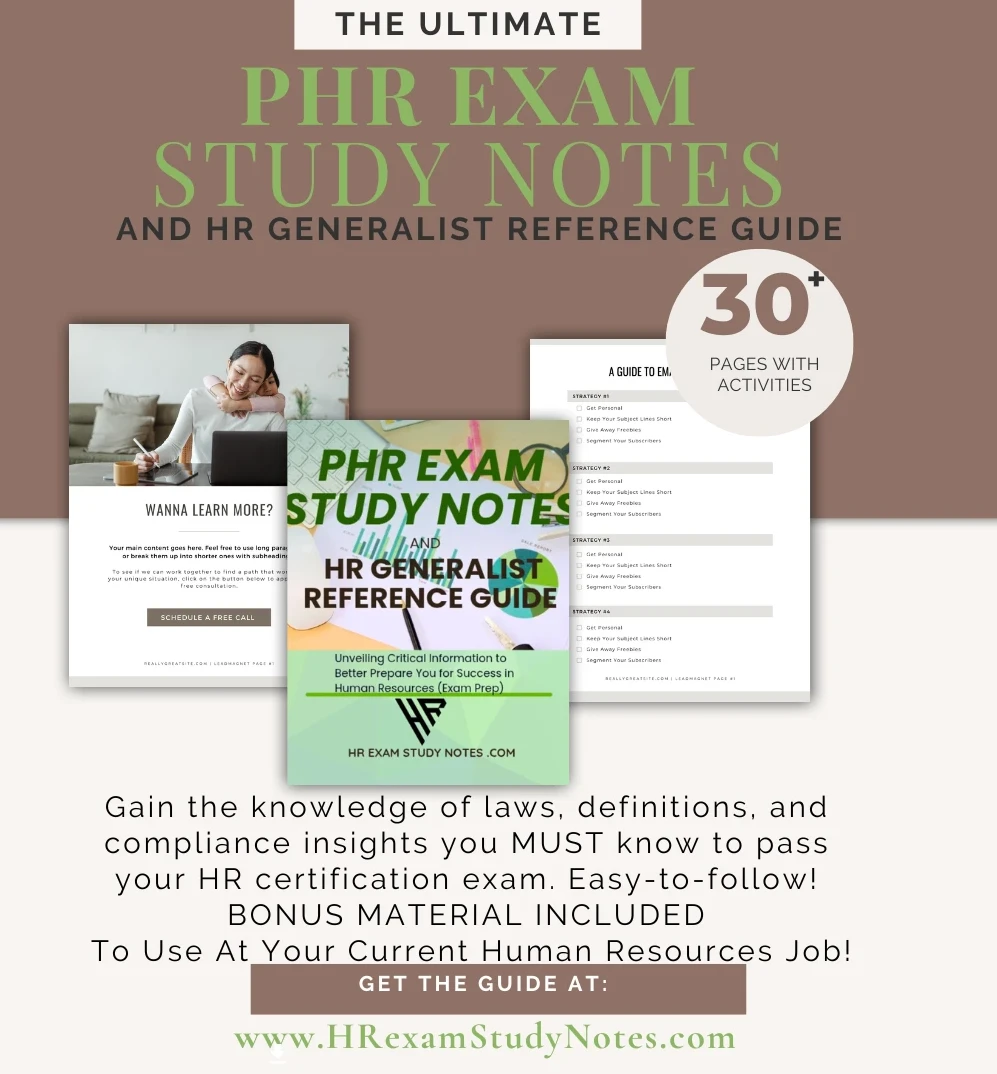
My Personal HR Certification Action Plan
- Figure out what area of HR I want to grow in and select a certification that matches.
- Gather information on eligibility and application requirements for my top choice, making sure I know about deadlines and fees.
- Make a timeline and weekly study schedule that works around my other life commitments, adjusting as needed if something changes.
- Register for an official prep course or find a study group if I need extra help to stay on track.
- Sit for the certification exam, then add my new credential to my resume and LinkedIn profile where it can catch the attention of recruiters and hiring managers.
Investing time and energy in my professional development gives me more control over my career. If I’m ready for a bigger role in HR, a certification is a straightforward way to prove my skills and increase my impact. Over time, staying involved with professional associations and additional certifications can keep my skills sharp and let me take advantage of new opportunities as HR keeps evolving. Whether I’m just starting out or looking to level up, going after an HR certification is a step that pays off both personally and professionally.
#NaturalSvcHR
Leave a Reply