

 Starting a career in human resources (HR) when you have no experience might seem tough, but it’s completely achievable with the right approach. HR is a field focused on helping organizations grow by managing people, processes, and workplaces fairly and productively. Many HR professionals begin with zero direct experience and build their skills step by step. I’ve seen plenty of people take this path and succeed by being persistent and clear about their goals.
If you’re interested in HR but don’t know where to start, I’ve broken down the steps that helped me and others. Here’s my guide to launching a rewarding career in HR, even if your resume doesn’t yet show any experience in the field.
Get Clear on Why You Want to Work in HR
Before jumping in, it helps to figure out what draws you to HR and which parts of the job interest you. HR covers many areas, such as recruiting, training, pay and benefits, conflict resolution, and workplace culture. If you’re interested in helping people solve problems, making work more inclusive, or supporting company growth, HR can be a great match for your goals. Having this clarity will also make interview conversations easier later on.
Key Questions to Ask Yourself:
- What aspects of HR do I want to focus on (recruitment, training, payroll, employee relations, etc.)?
- Do I enjoy group work, problem-solving, or supporting others?
- What types of companies or organizations would I feel most comfortable in?
- Why do I want to work with people in a professional setting?
Once you know what you’re interested in, you can better tailor your early steps and conversations with potential employers.
Build Knowledge with Free and Low Cost Resources
Learning the basics of HR is essential. There are plenty of ways to gain a good foundation without spending a lot. Free online courses, industry blogs, HR podcasts, and downloadable guides give you a real sense of what HR is about. Consider reviewing case studies or common HR scenarios to help understand what you’ll face in the field.
Ways to Start Learning:
- Society for Human Resource Management offers free articles and career tips.
- Look for courses on sites like Coursera, LinkedIn Learning, or Alison; some are free or low cost and give you a certificate of completion.
- Follow HR professionals on social media for advice and job updates.
- Read practical HR books, such as “The New HR Leader’s First 100 Days” or “Drive” by Daniel Pink.
Staying informed about common terms, new trends, and HR laws gives you an advantage during interviews and networking conversations. Employers like to see you’ve done your homework and can talk about the field confidently. Joining online forums or HR-themed discussion groups can be helpful for advice and mentorship.
Volunteer, Intern, or Start Small for Initial Experience
Getting hands-on experience is one of the most practical ways to stand out when applying for HR jobs without a formal background. I recommend looking for ways to volunteer or intern; many nonprofits, community groups, and small businesses welcome help with HR-related tasks and don’t require years of experience. Even working a short-term project can give you relevant experience for your resume.
How I Would Approach It:
- Reach out to local nonprofits and ask if they need help organizing employee files, updating handbooks, or posting job ads.
- Offer to assist with basic HR tasks at your current job, even if it isn’t your main responsibility. Helping with onboarding or scheduling interviews shows initiative.
- Apply for internships, even unpaid ones, with companies or government offices. Getting your foot in the door for even a few weeks can give you skills that stick.
Real world experience, even if it’s part time or in a volunteer role, is really important for your resume and builds confidence when talking to employers. Tracking your tasks and writing down what you’ve learned along the way can be helpful during future interviews.
Highlight Transferable Skills and Adjust Your Resume
Many people already have skills that are valuable in HR but don’t realize it. Communication, organization, problemsolving, teamwork, and conflict resolution are all used daily in HR roles. I’ve made sure to shine a light on these on my resume and in job applications. If you have experience with programs like Excel, scheduling software, or online communication platforms, mention those too, since HR often puts these tools to work regularly.
Examples of Transferable Skills:
- Handled customer complaints or managed group projects in school or community work.
- Organized events, led meetings, or coordinated volunteers.
- Worked in roles that required sensitivity, confidentiality, or collaborating with many people.
When writing your resume, focus on these abilities and give clear examples of how you used them. For example, instead of “worked at a retail store,” say, “resolved customer issues and supported team training in a fastpaced retail environment.” This helps employers see that you have what it takes to succeed in HR projects.
Tailoring your resume for different roles and updating your LinkedIn profile to include keywords like “HR support” or “people operations” can also help you get noticed by recruiters.
Network with HR Professionals
Networking often opens more doors than sending job applications. Building relationships with people in HR gives you access to insider tips, new job leads, and potential mentors who can guide your career decisions. Sometimes you may find out about jobs before they are even publicly posted.
Ways to Build Your Network:
- Connect with local HR associations or meetups, SHRM, local business groups, and even online LinkedIn groups for entrylevel HR professionals can be great places to start.
- Reach out on LinkedIn to HR managers or recruiters at companies you like. Introduce yourself, share why you’re interested in HR, and ask for a brief conversation to learn more.
- Attend virtual webinars, career fairs, or information sessions focused on HR topics.
Most professionals are open to short chats if you show genuine interest and do a little research beforehand. These conversations often lead to job leads and useful recommendations. Consider following up after networking with a thankyou note or useful article related to HR to keep the conversation going.
Search for Entry Level Roles and Apply Strategically
HR offers many entrylevel jobs that don’t require direct experience. I usually recommend looking for roles such as HR assistant, coordinator, or administrative support. These roles let you start with basic tasks and learn more complex HR functions on the job. Be open to shortterm contracts or parttime roles in the beginning, as they often lead to permanent positions.
Tips for Finding the Right Roles:
- Check job boards specifically for HR, like Indeed, Workable, and SHRM’s HR Jobs portal.
- Set job alerts for “HR assistant,” “talent acquisition coordinator,” or “payroll support.”
- Apply to temp agencies that sometimes have shortterm HR projects for beginners.
Each application should include a tailored cover letter that explains your interest in HR, your desire to grow, and examples of your transferable skills. I’ve found that taking time to personalize every application makes a difference. Remember to follow up on your applications if you haven’t heard back within a couple of weeks.
Keep Learning and Consider Professional Certification
Once you’re in or close to landing your first HR role, ongoing learning is key. Many HR professionals study for certifications such as the Associate Professional in Human Resources (aPHR) or Society for Human Resource Management Certified Professional (SHRM-CP) after a year or two. These are not required to start out, but they definitely help as you build your credentials. Some states or countries may offer unique HR certifications, so it’s worth checking regional requirements if you’re planning ahead.
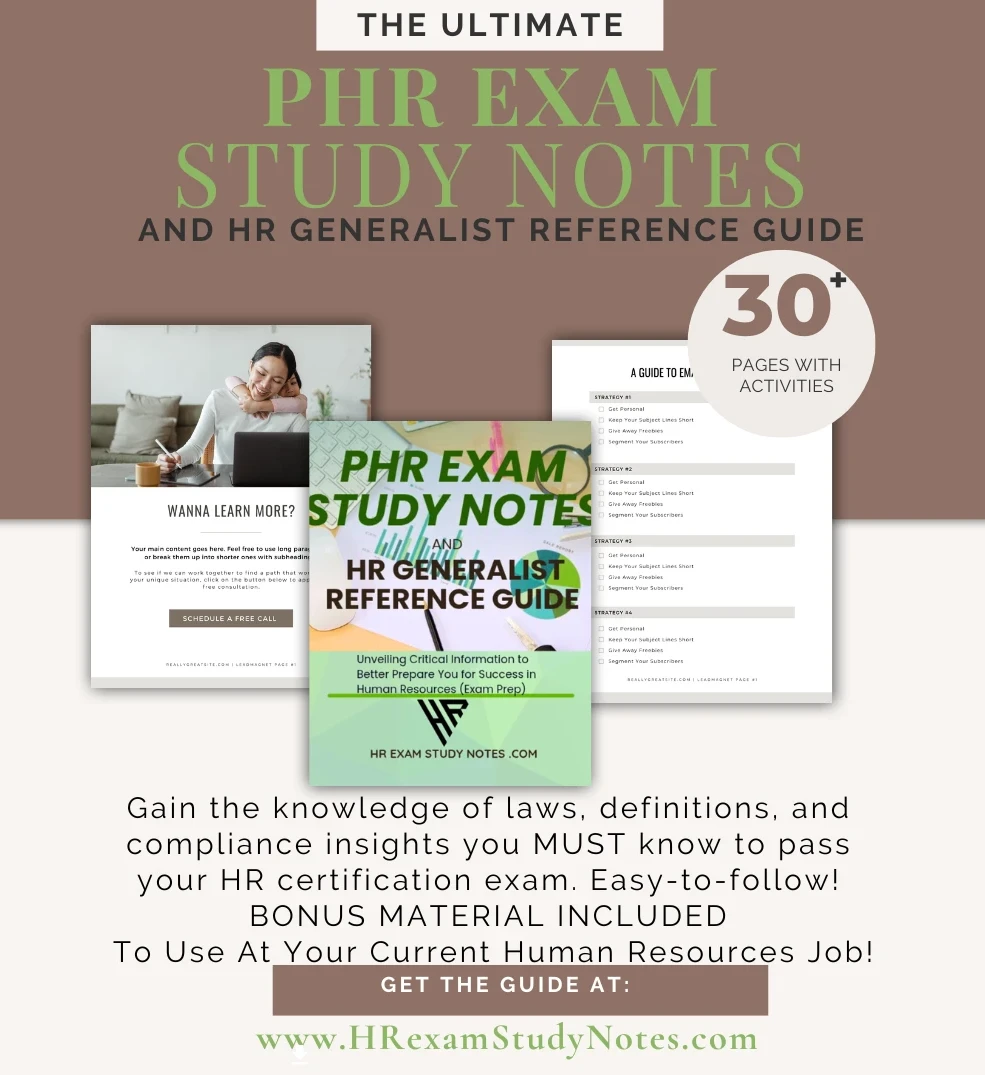
Feel free to consider The Ultimate PHR Exam Study Notes and HR Generalist Reference Guide, which we designed for you to use it even after you pass your HR exam!
Why Continuing Education Matters:
- HR laws and trends change frequently. Staying current helps you advise employees and leaders with confidence.
- Certifications and courses give you knowledge respected by employers and can lead to higher pay over time.
- Joining professional organizations provides repeated networking and learning opportunities.
Many continue networking and learning as a regular part of their job. Over time, this makes you more valuable and opens promotion opportunities. Reading HR trade magazines, joining web forums, or attending HR conferences (in person or online) help you make connections and stay updated.
Common Questions & Troubleshooting
What if I keep hearing I need experience before being hired?
Focus on small projects, volunteering, internships, or even HRrelated duties at your current job. Even brief handson experience makes a big difference. Share your willingness to learn and examples of taking initiative. Ask for short-term assignments and remember that persistence pays off.
Do I need a degree in HR to work in this field?
Many HR professionals have degrees in other areas, such as psychology, business, or liberal arts. The most important things are skills, willingness to learn, and some relevant experience. An HR-specific degree helps but isn’t required. Supplement your education with online courses or workshops if needed.
Will starting in admin or recruitment help me switch into HR?
Yes, many people enter HR by starting in related roles. Recruitment agencies, office management, or administrative support often overlap with HR work and provide a strong base for future moves. These positions teach organization, communication, and confidentiality—skills that transfer well to HR roles.
If you’re in a current job, check if your company offers cross-training or shadowing opportunities with their HR team; these experiences count, too.
Next Steps & Action Plan
Getting into HR with no direct experience often takes patience and a bit of creativity, but it’s completely possible. Each hands-on task, course, and conversation brings you closer to your first real HR job. Celebrate your small wins and learn from both successes and rejections as you go.
Action Plan to Get Started:
- Pick one area of HR that interests you and start learning through free courses or articles.
- Find at least one place to volunteer or intern for real life HR experience—even if it’s only a few hours a week.
- Update your resume to shine a light on transferable skills and include HR-related experience, no matter how small.
- Reach out to at least two local HR pros or attend a webinar this month to build your network.
Above all, stay positive and keep taking small steps. Those steps add up and can quickly get you started in an HR career. Remind yourself that many successful HR pros began just where you are now, with persistence and a willingness to grow making all the difference.
#NaturalSvcHR
Leave a Reply