

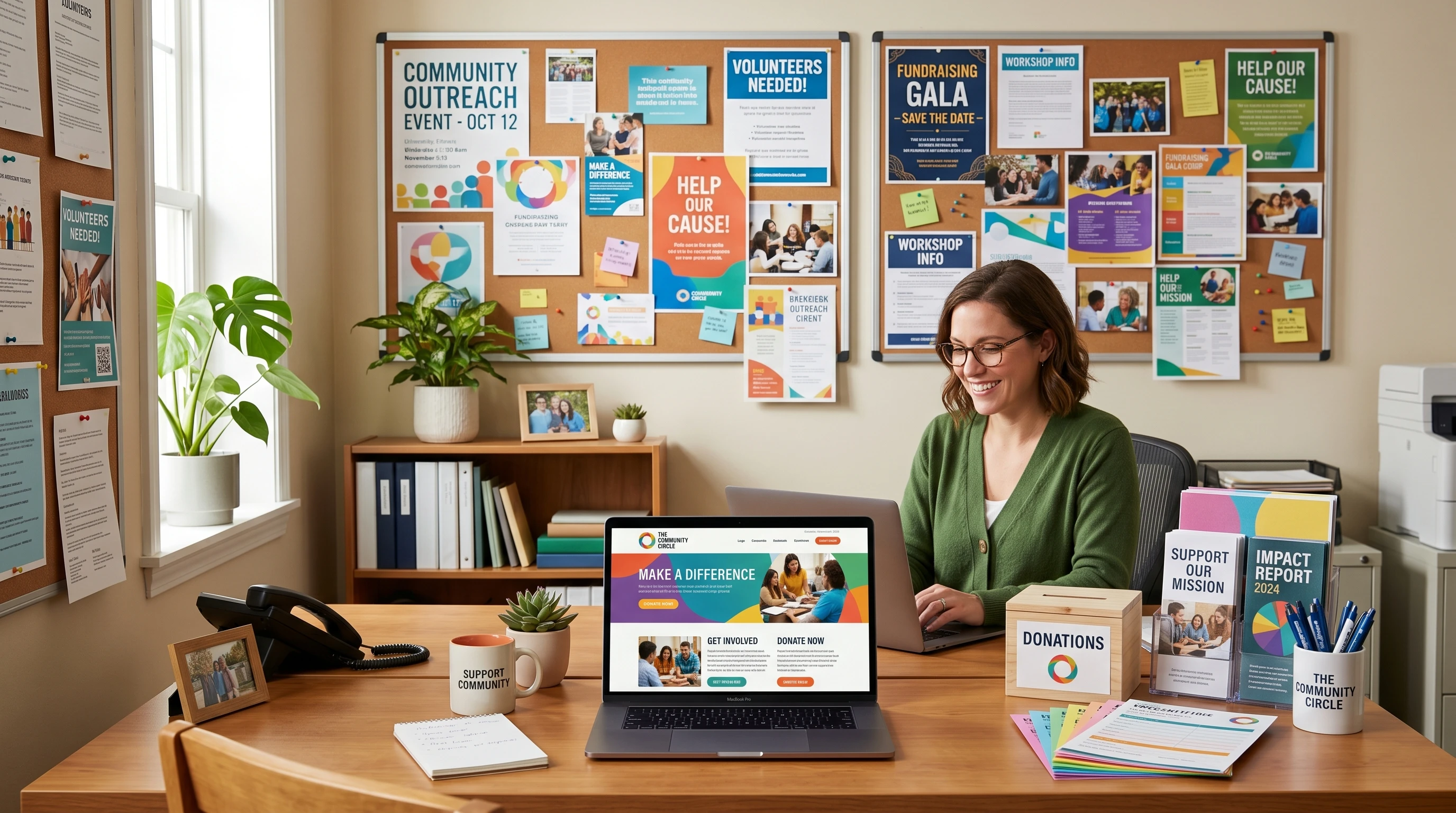
 Marketing a nonprofit takes more than passion and a good cause. I’ve been in that spot where every dollar counts and it seems hard to get the word out about my mission. Figuring out how to reach people, get donations, and build a community can feel pretty overwhelming, especially when there’s not much money for ads or professional marketing help.
Most nonprofits run on tight budgets, but that doesn’t mean quality marketing is out of reach. With the right tools, consistent effort, and a good understanding of your audience, it’s possible to raise awareness and encourage support even if you can’t spend much.
This guide explains how I approach nonprofit marketing when resources are limited. I’ll share steps and tactics that have worked, helpful tools, and examples to show how small changes can make a big difference for your organization. Plus, I’ll touch on a few creative strategies that even the smallest teams can put to work effectively.
Define Your Nonprofit’s Message and Audience
Marketing starts with knowing what you’re all about and who you’re trying to reach. When I shape my nonprofit’s message, I focus on being clear and relatable. People need to understand what I do, why it matters, and how they can help.
Key Steps:
- Write a simple mission statement. Explain your cause in one or two sentences.
- Make a list of your main audiences. Think about donors, volunteers, local community members, or other groups who care about your mission.
- Decide on the values and emotions you want to highlight when you talk about your work.
When I know who my audience is, I can craft messages that speak their language and connect with what they care about. This connection is what inspires support and action, even from new people who stumble upon your organization online or at local gatherings.
Choose the Best Free and Low-Cost Marketing Channels
I’ve found that just a few marketing channels can reach a surprising number of people when I use them well. On a tight budget, it’s much better to focus on what you can do consistently instead of spreading yourself too thin. Take a moment to see where your supporters already spend their time—this helps make your efforts count.
Main Marketing Channels to Consider:
- Social Media: Facebook, Instagram, and LinkedIn are great places to tell your story, share updates, and get involved with supporters for free. I schedule my posts ahead and use images of my programs or events. For more reach, join local groups or use relevant hashtags to get noticed by new people.
- Email: Collect email addresses at every event, on your website, or through signup forms. Regular newsletters keep supporters involved and donations coming in. I use free tools like Mailchimp for small lists, making sure to keep messages short, engaging, and linked to action.
- Your Website: Even a simple website helps people find information and donate online. I keep my website updated with events, success stories, and an easy “donate” button. Easy-to-use templates (many at no cost) are available from providers like Wix or WordPress.
When time is short, I pick two channels and focus on keeping them updated instead of doing everything at once. This focused approach makes it easier to maintain a strong presence.
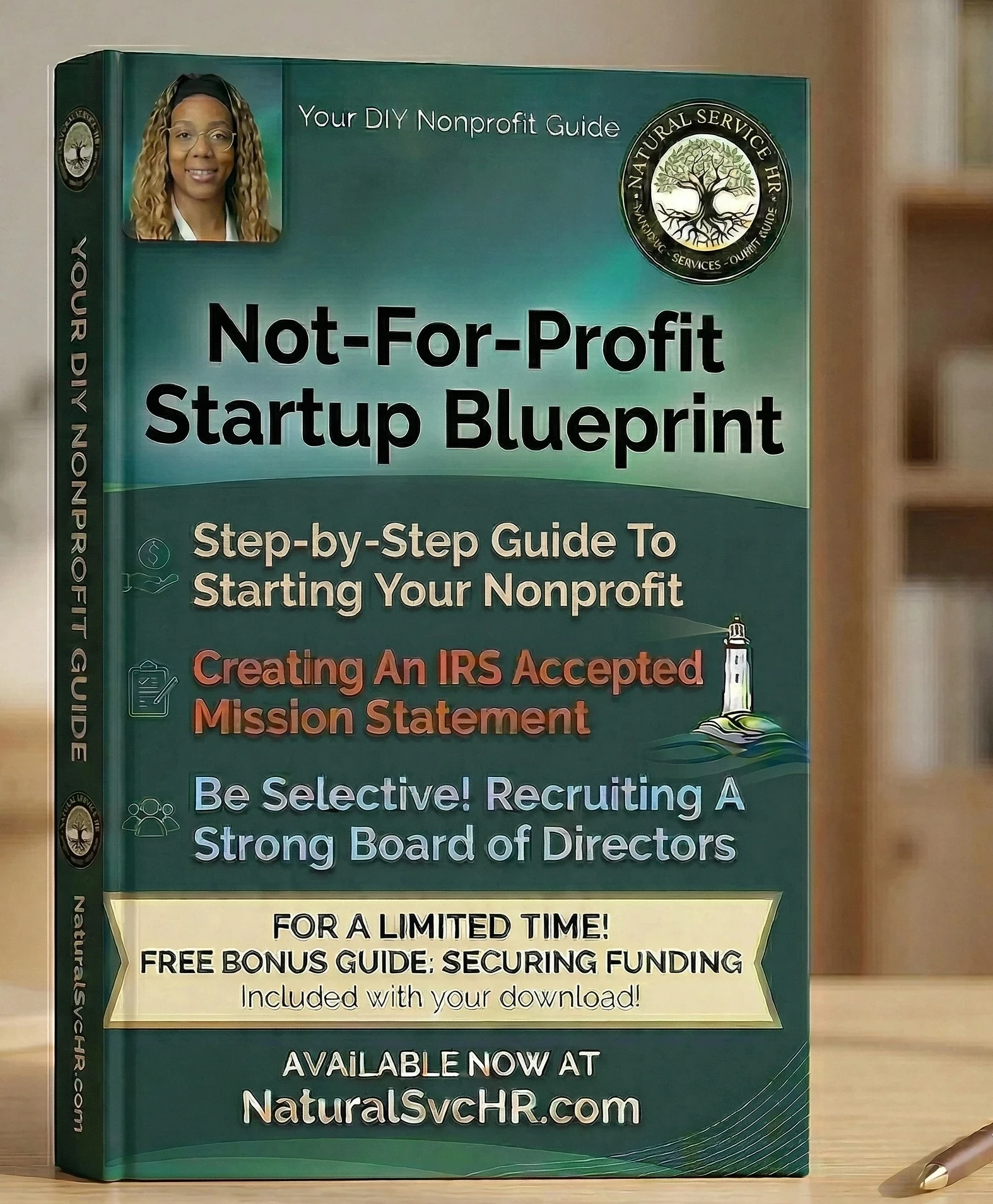
If you happen to stumble on this post as you are considering if you should start your nonprofit organization, you may find it useful if you get our DIY Nonprofit Guide: Not-for-profit Startup Blueprint!
Create Content That Connects
Content is my main way of showing the impact of my nonprofit. I use stories, photos, and updates to bring people closer to the cause. This works well even when I have almost no budget. Telling authentic stories about who you help and how invites supporters into your world and shows them the real-life changes their involvement creates.
Easy Content Ideas:
- Share a quick “day in the life” story of a person who’s been helped.
- Post before and after photos from a recent project or event.
- Highlight volunteers or donors with a shoutout and thank you.
- Explain a real world problem your nonprofit is working to solve, then show how people’s help makes a difference.
When producing content, I use my phone for photos and ask participants for a quick quote. Real, heartfelt stories connect best, especially on social media. If possible, I make short video clips thanking donors or showing recent successes; these are often more eye-catching than plain text posts. Sharing content that reflects your organization’s daily wins, even the small ones, helps keep supporters engaged and feeling valued.
Use Partnerships and Community Connections
Working with others, such as businesses, local groups, or other nonprofits, helps my nonprofit reach new people and save money. I look for groups that care about my cause or want to help in their community. Local partnerships build a foundation of trust and often open doors to resources or venues you might not have found on your own.
Ways to Tap Into Local Support:
- Ask small businesses or churches to share your flyers, events, or fundraising campaigns with their members or customers.
- Offer to post about local businesses in exchange for help with printing or advertising.
- Join community events and offer to speak about your work, even for a few minutes. This gets your name out and can start valuable conversations.
Many partnerships start just by asking. I often reach out by email or in person with a friendly introduction and a clear description of how we can help each other. Collaborating with local organizations can also expose you to shared audiences without expensive advertising.
Hold Cost Effective Events and Campaigns
Events still matter, even if there’s no big budget. Simple fundraisers, awareness walks, or online challenges can bring in money and new supporters. The key is to keep things easy to organize and easy for people to join, especially online. Virtual events have become more popular and can expand your reach outside your immediate area.
Low Budget Event Ideas:
- Host a Facebook Live Q&A about your nonprofit’s progress and goals. If you don’t like being on camera, consider an audio format or post written updates.
- Launch a peertopeer campaign where supporters use their own social media to ask for small donations from friends.
- Invite local businesses to donate products or services for a raffle or silent auction, then feature their generosity in your materials.
- Create an “awareness day” and ask people to post about your cause or wear your T-shirt. You could hold a photo contest where participants tag your nonprofit for a chance to win a simple prize.
At every event or online campaign, I remind people how even small gifts and shares help. I always follow up with thank-yous and updates about results, so everyone knows they’re making a real impact. Adding small, personal touches like handwritten notes can leave a lasting impression as well.
Measure What Works, and Repeat It
Tracking marketing results helps me see what’s having the biggest impact so I can put energy in the right places. Even if I don’t have fancy analytics tools, I can keep it simple and look for these signs:
- Are more people following my social media accounts or signing up for my email list after certain posts or campaigns?
- Which emails get opened or clicked most often?
- Which events or posts attract the most volunteers or donations?
I jot these numbers down once a month and discuss them with my team or board. This helps me plan for next month and stop spending time on things that don’t work. Additionally, listening to feedback from supporters helps adjust strategies for better results.
Common Questions & Practical Solutions
How do I market a nonprofit if I have no marketing staff?
I ask board members, volunteers, or even supporters to help with easy projects. I make a list of simple tasks, like posting online, answering emails, and sharing flyers, and divide them up so everyone can pitch in, even if just a little. Sometimes, students or interns looking for experience are happy to help with specific projects or social media management.
What if I don’t have time for regular updates?
Consistency is really important, even if it means posting once a week instead of every day. I create a repeating reminder for myself or someone else to post at least one story or update regularly. Scheduling content ahead of time with free tools, such as Buffer or Facebook’s native scheduler, can make it easier to stay on track.
I’m not sure what content people want to see. How do I figure it out?
I pay attention to what gets the most likes, shares, or replies on Facebook or Instagram. I also ask supporters what they enjoy seeing or what questions they have. This helps me plan future updates that people actually care about. Running a quick poll or survey through social media or email can reveal useful insights, too.
Your Simple Action Plan to Market on a Shoestring
- Write a clear description of your nonprofit’s purpose and who you help.
- Pick two marketing channels you think you can keep updated easily.
- Plan and create one piece of content this week, such as a story or update, then share it on your chosen channel.
- Connect with one potential partner and ask for help in spreading your message.
- At the end of the month, look at what worked and decide what to repeat next month. Stay adaptable and willing to try new approaches as your nonprofit grows.
With a bit of creativity and steady effort, it becomes possible to market a nonprofit and grow support, even with very little money. Each step moves you closer to reaching more people and making a bigger impact for your cause. The main goal is to keep putting your story out there and connecting with those who care about your mission.
#NaturalSvcHR
Leave a Reply